
25+
Years Of Experiance

725+
Happy Clients
We Are TalcAsia
Calcium carbonate
Calcium carbonate is an essential and versatile mineral which finds its way into our daily life.
Origins
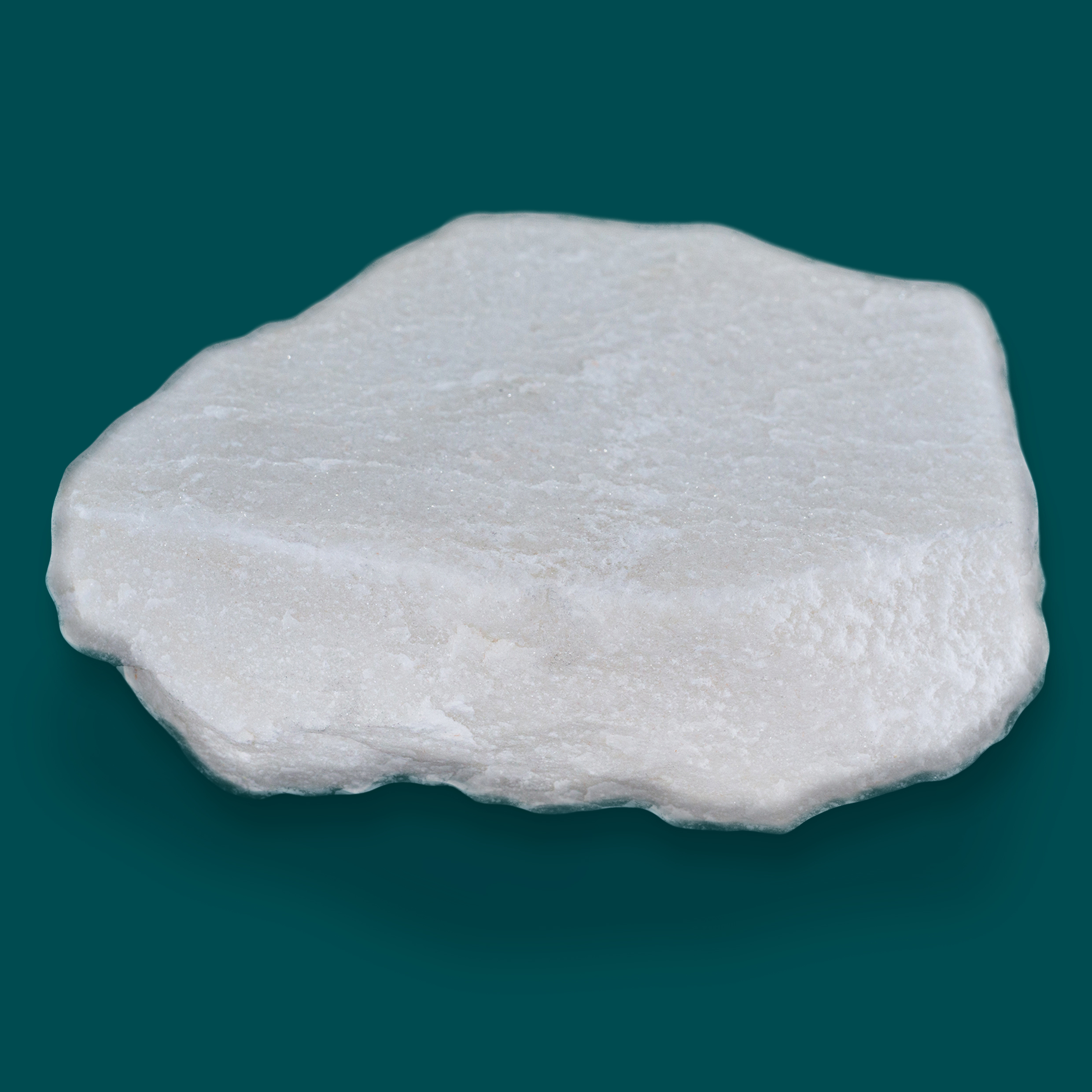
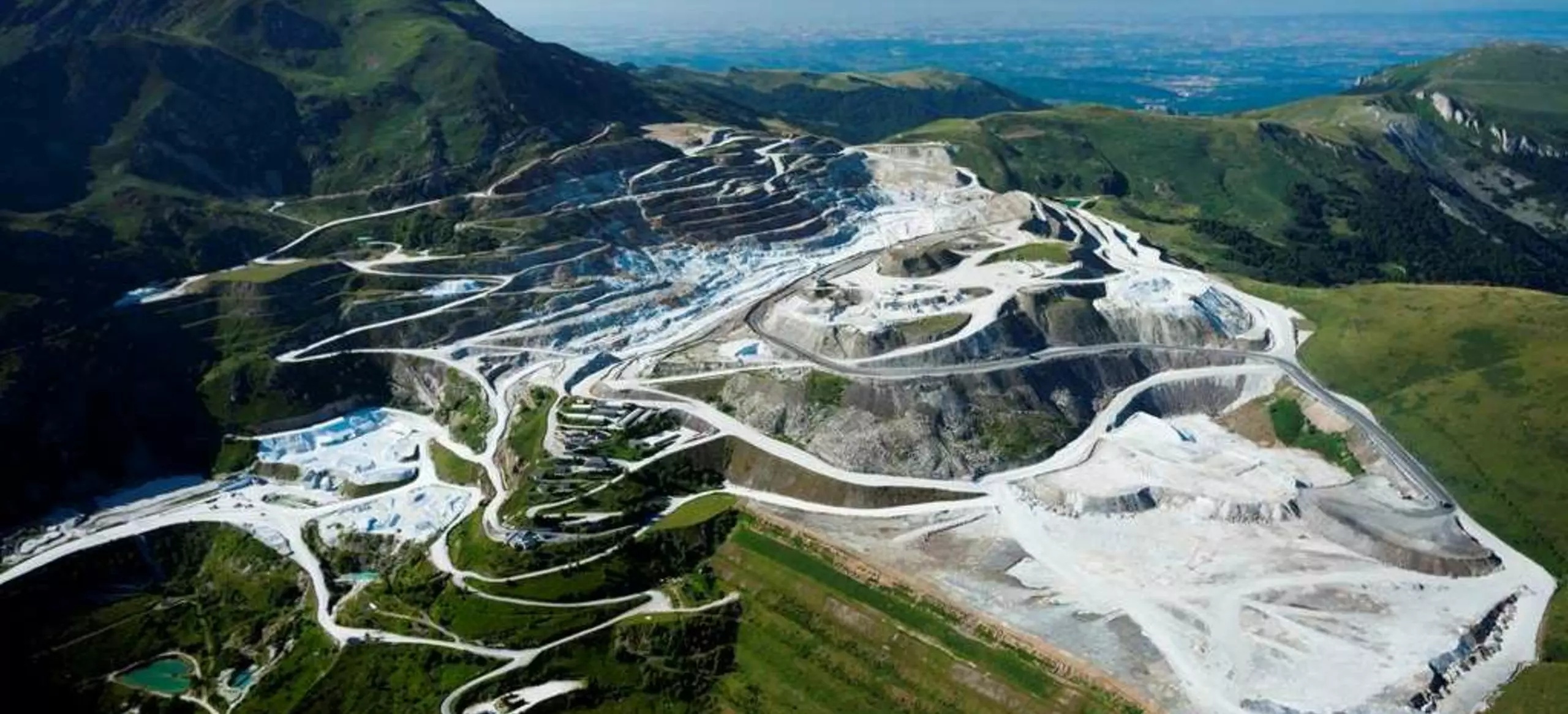
Calcium carbonate is one of the most abundant minerals on Earth and accounts for about 4% of the Earth’s crust. It can be found in nature in three principal rock types: chalk, limestone, and marble.
About Us
Ground Calcium Carbonate (GCC) – created by nature over millions of years
Most calcium carbonate deposits are made up of the remains of marine organisms that have sedimented to the bottom of a shallow sea. These organisms, such as crustaceans, algae, and coral, absorb calcium carbonate from the water and use it to form their skeletons and shells. When they die, their remains form sedimentary deposits on sea-beds which build up over time to form rock.
Chalk, a soft rock,is the result of poorly compacted sedimentary calcium carbonate rock, whose diagenesis is incomplete. Once the sedimentation process is complete, this results in the formation of limestone.
Marble, the hardest form of calcium carbonate,is a metamorphic rock, which is the result of the recrystallization process of limestone, under conditions of high pressure and temperature.
Precipitated Calcium Carbonate (PCC) – created by man in a matter of hours: Calcium carbonate can also be produced synthetically in the form of Precipitated Calcium Carbonate (PCC). PCC is created through the conversion of limestone into CaO and CO2 and the subsequent reaction of both purified components in a chemical reactor. The final product has the same chemical composition as GCC, but is higher purity and has different properties in terms of particle size distribution and particle shape.
The high whiteness and opacity of carbonates lend themselves to a great many applications, from building materials to paper and paint, to construction and foodstuffs.
Calcium carbonate has the chemical formula CaCO3.
Physical properties
- High brightness
- Blocky particle shape
- Odorless
- Thermal conductivity
- Insoluble in water
- Relatively soft (3 on Mohs scale)
Essential for tomorrow’s world
The high whiteness and opacity of carbonates lend themselves to a great many applications.
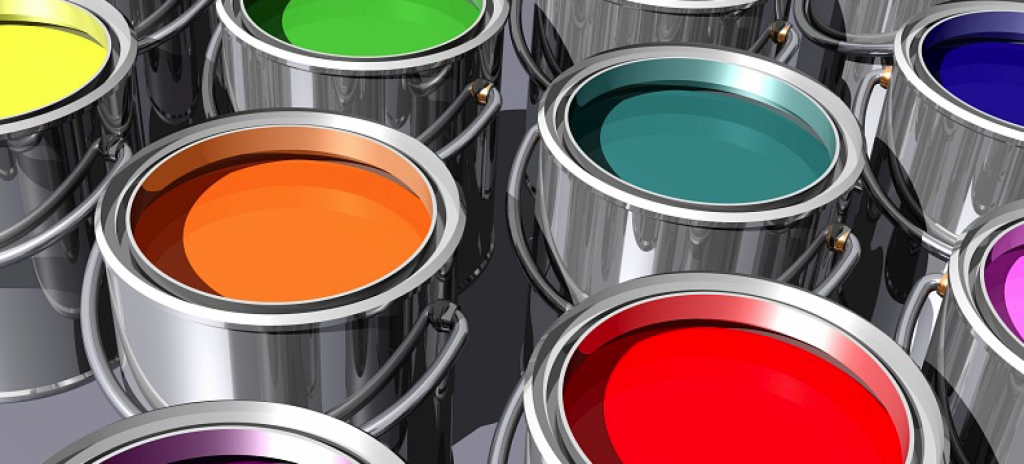
In paints and coatings, TalcAsia calcium carbonates are cost-effective multifunctional fillers that improve whiteness, opacity and matting. They make ideal replacements for titanium dioxide.
In plastics, TalcAsia engineered calcium carbonates improve the quality of breathable films for diapers, hygiene, medical and roofing applications. They are excellent reinforcement agents maximizing mechanical properties in PVC building profiles and flooring.
In paper production, TalcAsia calcium carbonates are cost-effective filler substitutes for wood fiber where they improve brightness and paper optics. As paper and paperboard coatings, they enhance whiteness and opacity as well as the printability of the finished paper.
In animal feed, food and beverage, and pharmaceuticals, TalcAsia calcium carbonates provide a valuable source of the bone-building mineral, calcium.
In adhesives and sealants, finely ground calcium carbonates can be used at high loadings where they improve rheological properties, improve whiteness and opacity and generate cost savings.
In industry, TalcAsia limes are valued raw materials and process enablers for the steel industry, sugar industry, water treatment and the building industry. In oil and gas production, ground calcium carbonates reduce filtration loss in drilling fluid formulations.
Calcium carbonate is an abundant and very versatile mineral, making it a key mineral for the future. Placing innovation at our core, we strive to meet and anticipate the future needs of our customers in present and new economy environments.




Take Advantage Of a Consultation

820+
Active Users

980+
Support Done

2020+
Call Receive