
25+
Years Of Experiance

125+
Happy Clients
Climate change
Decarbonizing our activities
We have a responsibility to help support the climate transition. To do this, we have committed to significantly reduce carbon emissions within our operations and value chain through specific objectives and actions validated by the SBTi.
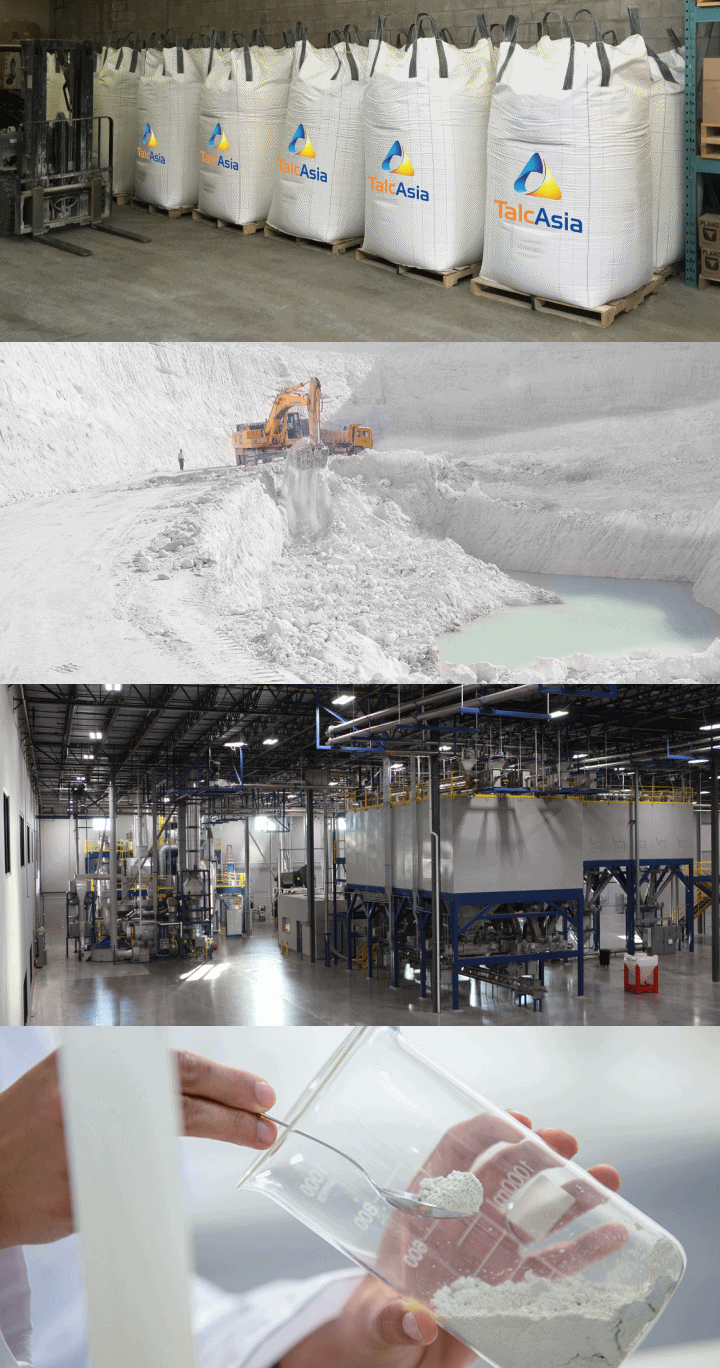

Accelerating our decarbonization efforts
TalcAsia is committed to taking action to combat climate change since 2017. In 2018, we joined the Science Based Targets initiative (SBTi) to ensure our targets are based on scientific criteria.
To go further and faster, in 2022 we made a public pledge to align our Scopes 1 & 2 strategy with the 1.5°C trajectory and set near-term sustainability targets for the next seven years (2023-2030). Our updated greenhouse gas (GHG) emission reduction targets for 2030 that we present below were reviewed and validated by the SBTi in 2023.
Five levers to reduce our greenhouse gas emissions (scope 1 & 2)
We are committed to reduce the direct (scope 1) and indirect (scope 2) GHG emissions from our operations by 42% (tons of CO₂ equivalent) by the end of 2030 from a 2021 base year, in alignment with the 1.5°C trajectory.
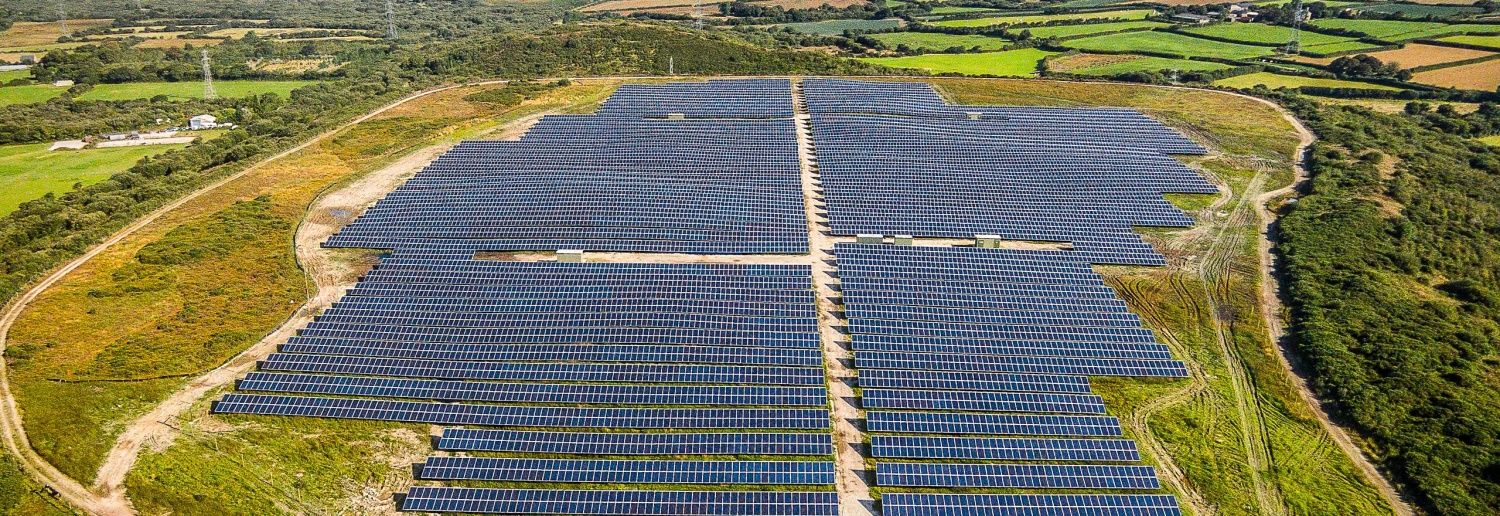
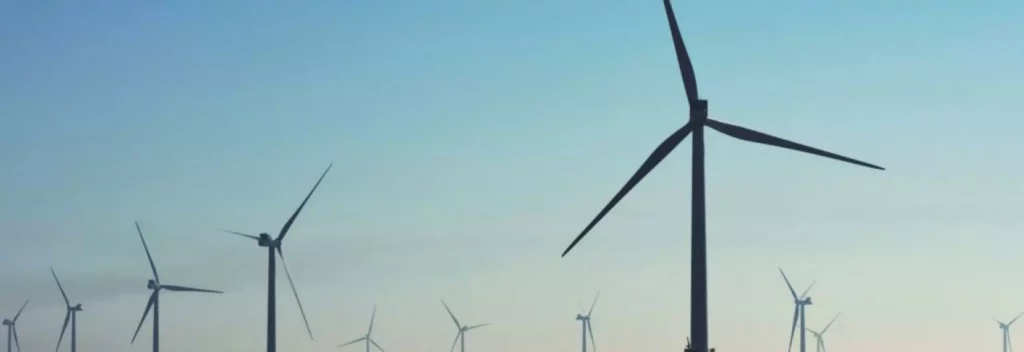
We pursue our target of reducing these emissions through improving energy efficiency and recovery, switching from fossil fuels to biofuels and biomass, electrifying our processes, increasing the use of renewable electricity, and investing in research and development to reduce process-related emissions.

Climate change is an urgent challenge and we are working to reduce our carbon footprint. We strongly believe that all companies have an obligation to the planet and to future generations to play their part in the global effort to mitigate the climate crisis.
M Sohail Zafar
Climate and Portfolio Sustainability Vice President, TalcAsia
Low Carbon Electricity

Fuel switching and using biomass

Electrification (Of machinery / Equipment

Energy efficiency and recovery

Process innovation
Working closely with our suppliers and customers to reduce scope 3 emissions
We know that managing our own carbon emissions is not enough. Our main source of CO2 emissions is generated from in our value chain (Scope 3) by the purchase of transport, raw materials and equipment, and we work with our suppliers to identify levers to keep emissions as low as possible. We are committed to reduce these emissions by 25% by the end of 2030 from a 2021 base year.

120+
Active Users

180+
Support Done

220+
Call Receive