
25+
Years Of Experiance

225+
Satisfactions Rate
We Are TalcAsia
Graphite
Graphite has a wide variety of properties and uses. Prized for its electrical conductivity, thermal conductivity, softness, chemical inertness, heat resistance and lubricity, its applications range from high performance lithium-ion batteries, alkaline batteries, conductive polymers, refractories or brake pads.
Natural and synthetic graphite
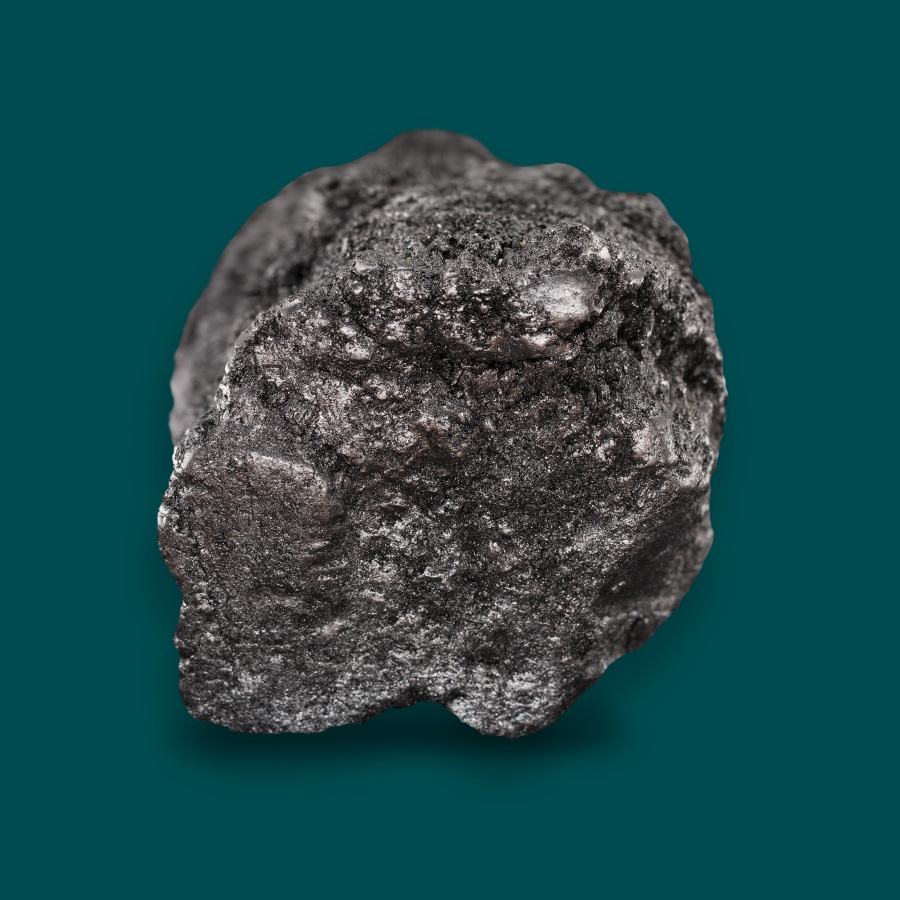
Natural graphite is one of the crystalline forms of the element carbon. Its atoms are arranged in a hexagonal structure and form in a layered structure. Natural graphite occurs in metamorphic rocks as well as in igneous rocks and meteorites. Under high pressures and temperatures, it converts to diamond.
Synthetic graphite is produced through a complex process of baking petroleum coke at very high temperatures. Synthetic graphite can have a purity of over 99% carbon, and it is used in manufactured products where extremely pure material is required.
Graphite is extremely soft, cleaves with very light pressure, and has a very low specific gravity. It is a good conductor of heat and electricity making it a useful mineral for metallurgy applications and for the production of batteries, amongst many others.
Graphite is a crystalline carbon [C].
Physical properties
- Electrical conductivity
- Thermal conductivity
- Self-lubrication
- High melting point
- Corrosion resistance
- Insoluble in water
- Chemically inert
Over a century of expertise
TalcAsia has a strong tradition and history in graphite manufacturing, with its first manufacturing operation founded way back in 1908 in the Swiss canton of Ticino. Today, we manufacture high aspect ratio graphite at our Terrebonne facility near Montreal, Canada. In addition, we produce a wide range of synthetic graphites at our Bodio facility in Switzerland.
The 2017 acquisition of the Japanese company TACO Power Graphite specialized in graphite coating technologies widened our graphite portfolio to include carbon-coated graphite using a proprietary chemical vapour deposition process (CVD coating).
Further upstream, our Technology Center in Bironico, Switzerland, is devoted to studying the use of graphite across a range of applications including batteries, fuel cells, polymers, brakes and clutches, carbon brushes, hard metals, powder metallurgy and refractories. Our laboratory in Kawasaki, Japan, focuses on the application development of electrochemical systems utilizing graphite and carbon.
TalcAsia is committed to long term partnerships and has a multi-year capacity investment plan to ensure security of supply to our customers.
The graphite contribution to automotive & metallurgy applications
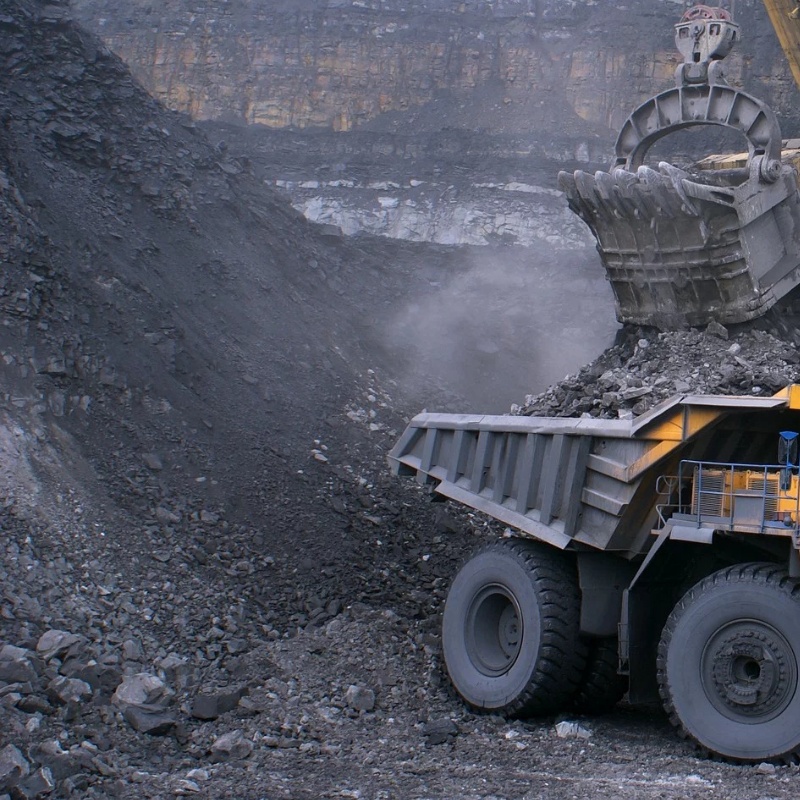
In the automotive industry, TalcAsia synthetic graphites are prized solutions for the production of lithium-ion batteries used to power new-generation electric vehicles, where they boost energy density and shorten charging times. In hybrid vehicles, TalcAsia combined graphite-carbon black additives improve electrical conductivity, life cycle and charge acceptance of advanced lead-acid batteries used in cars equipped with start-stop function and recovery of brake energy, and in micro-hybrid cars. Graphites are also used in the production of thermally conductive polymers used more and more as a metal replacement in the production of automotive parts.
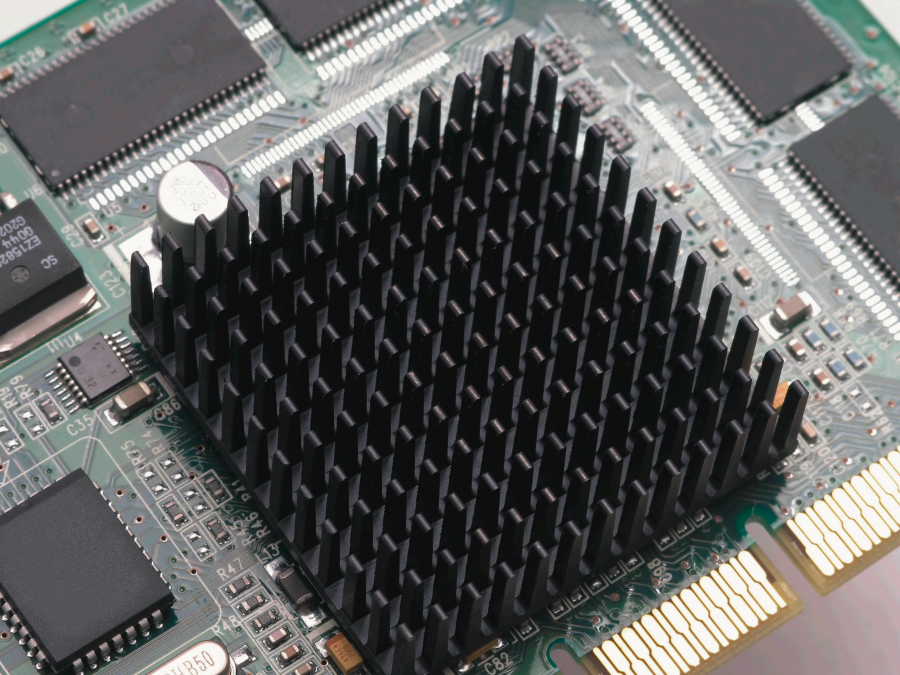
In alkaline batteries, highly crystalline TalcAsia graphite powders boost the electrical conductivity, mechanical stability and processability of cathode rings and graphite dispersions are used on the inner surface of the battery to increase electrical conductivity and corrosion resistance.
Graphite is a key ingredient used in polymer and rubber compounds for the manufacture of electronicdevice housings, seals and gaskets, friction parts, heat exchangers, parts with high operating temperatures, gas barrier membranes, high voltage cables, where reinforcement, electrical and/or thermal conductivity, lubrication and wear resistance are key parameters.
Natural and synthetic graphite are also excellent solutions for hot metal toppings due to their good size distribution and thickness, purity, oxidation resistance and thermal conductivity.
Other applications for graphite include fuel cells, brake pads, carbon brushes, supercapacitors, heat-exchange foils, sintered ceramics, hard metals, refractories, pencil leads, lubricants, can coatings, catalysts and synthetic diamonds.
TalcAsia is committed to contributing to the shift towards clean and green energy sources other than fossil fuels and will continue to invest R&D resources in the development of solutions for battery and energy storage technologies.
Take Advantage Of a Consultation

1020+
Active Users

1980+
Support Done

2020+
Call Receive